

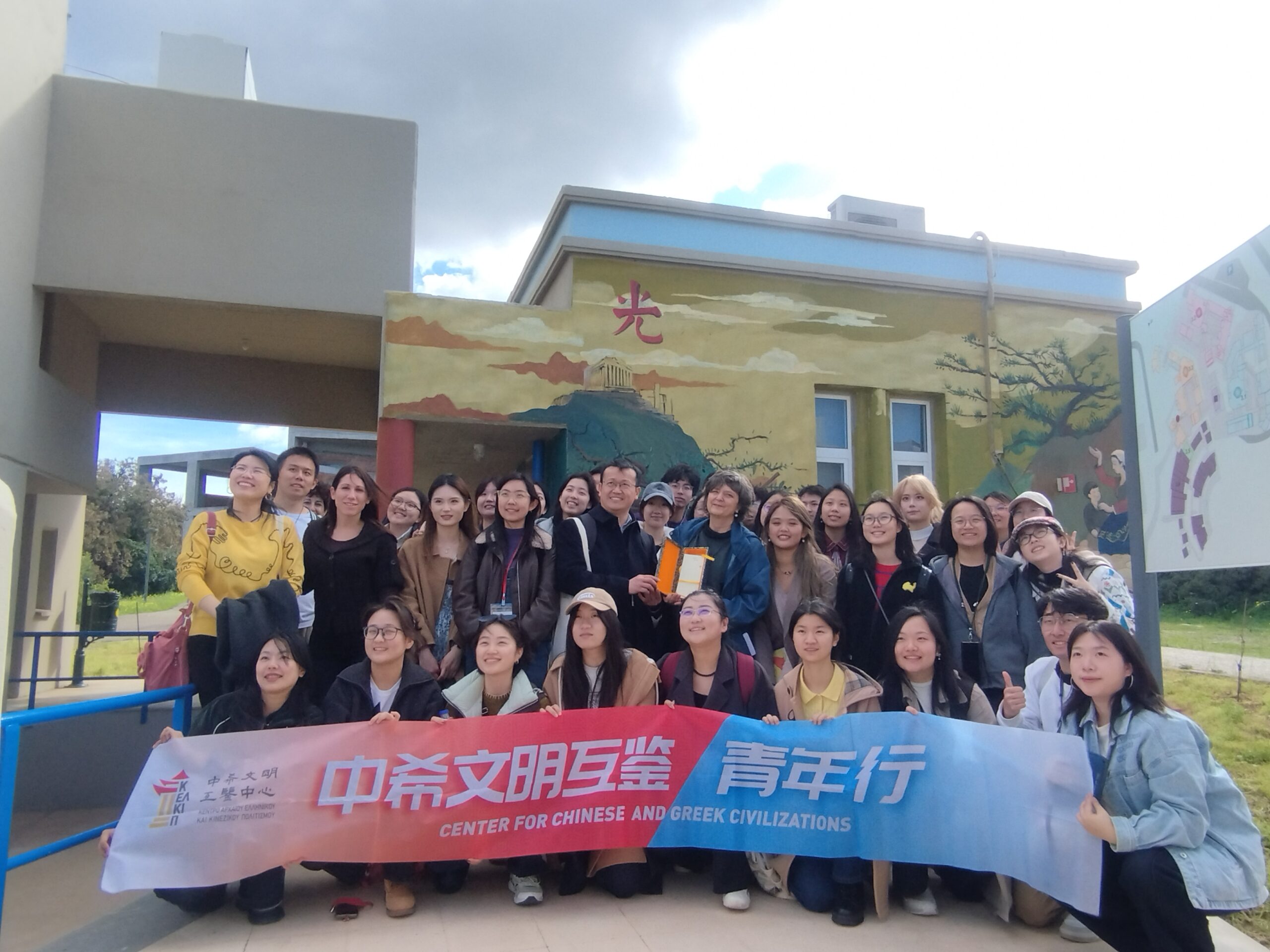
As of 21 January 2026, the international Winter School “Crete at a Crossroads of Civilizations: On the Origins of Writing and Written Law” is taking place, organized by the Center for Ancient Greek and Chinese Civilization (KELKIP).
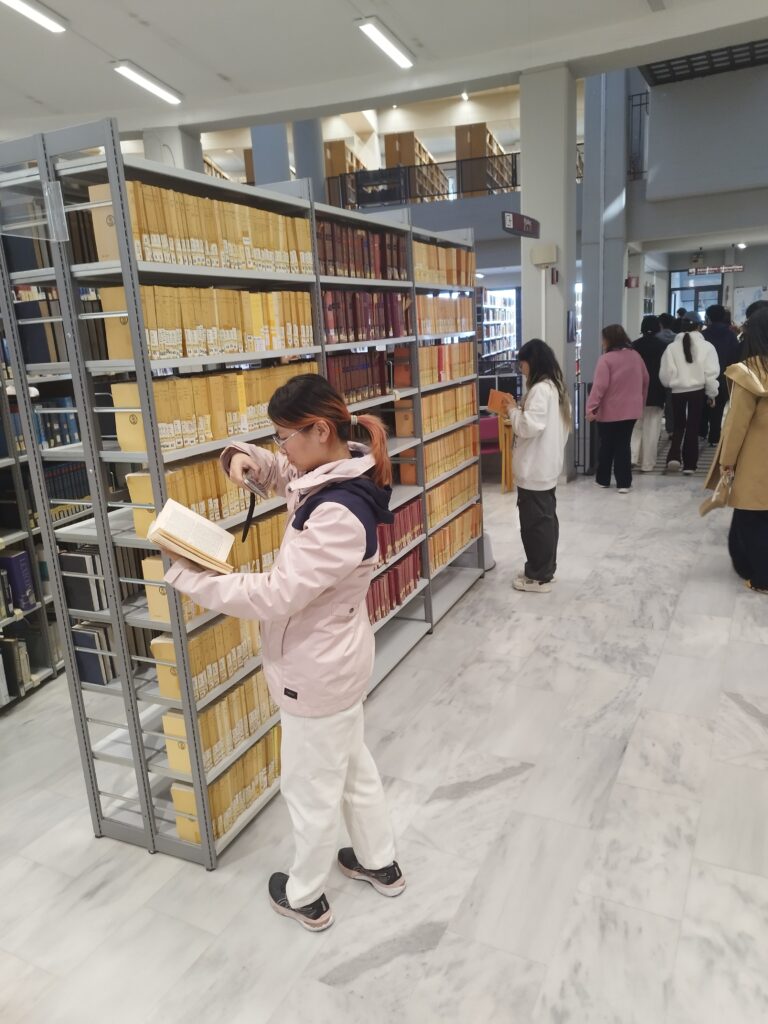
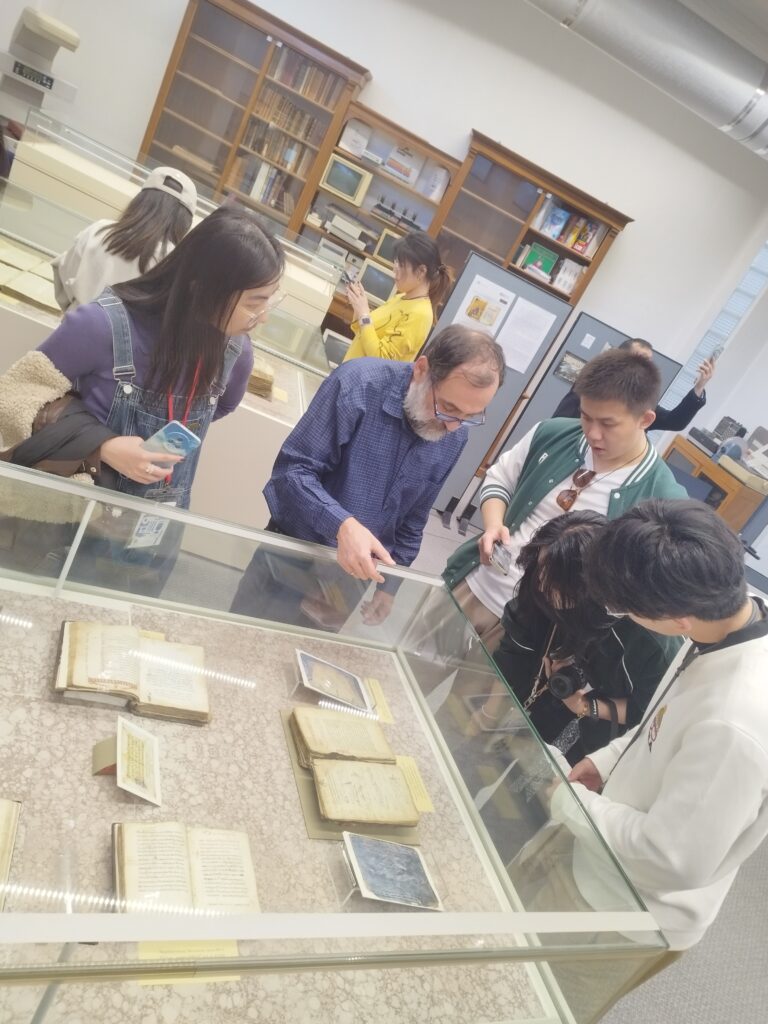
The program is addressed to undergraduate and postgraduate students from Chinese universities and focuses on the emergence of writing and written law in the ancient world, taking Crete as its point of departure — a pivotal hub of cultural exchange in the Eastern Mediterranean. It includes lectures, seminars, and visits to archaeological sites and museums in Athens, Chania, Heraklion, and Rethymno, combining academic instruction with direct engagement with the material evidence of the civilizations under study.
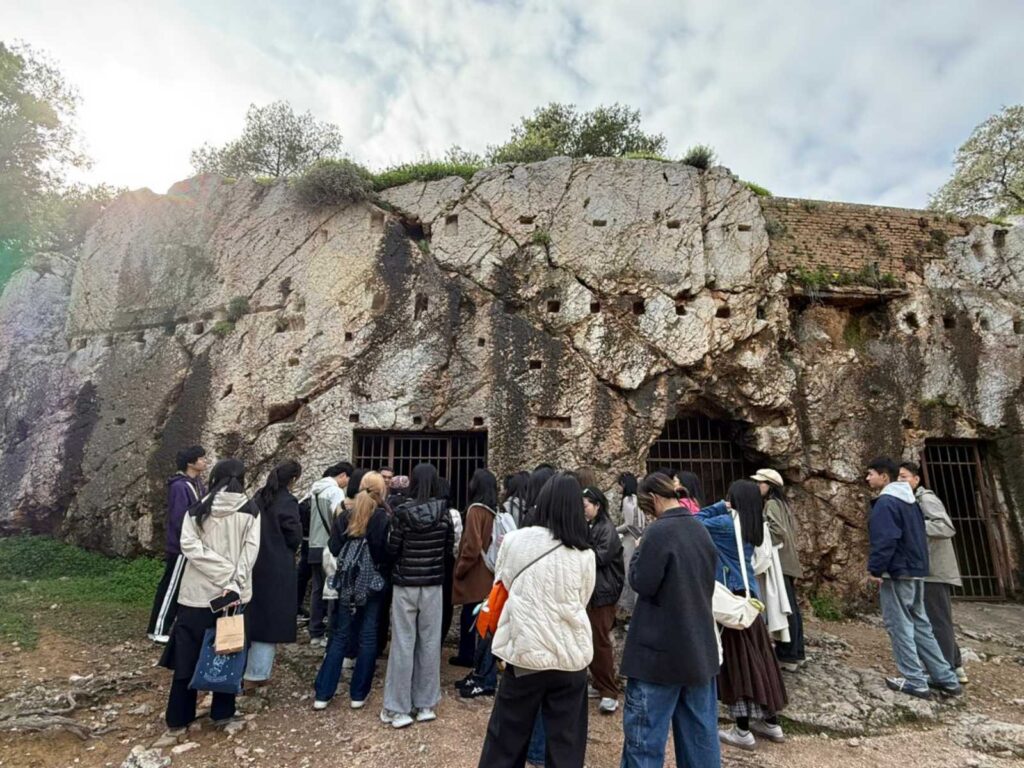
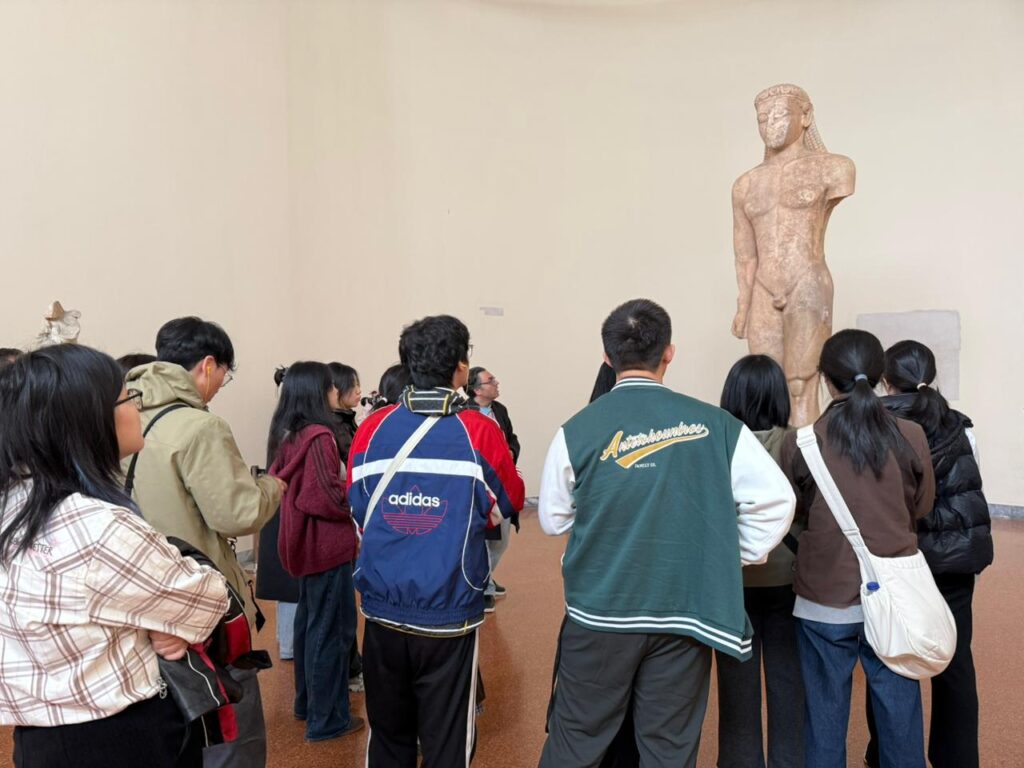
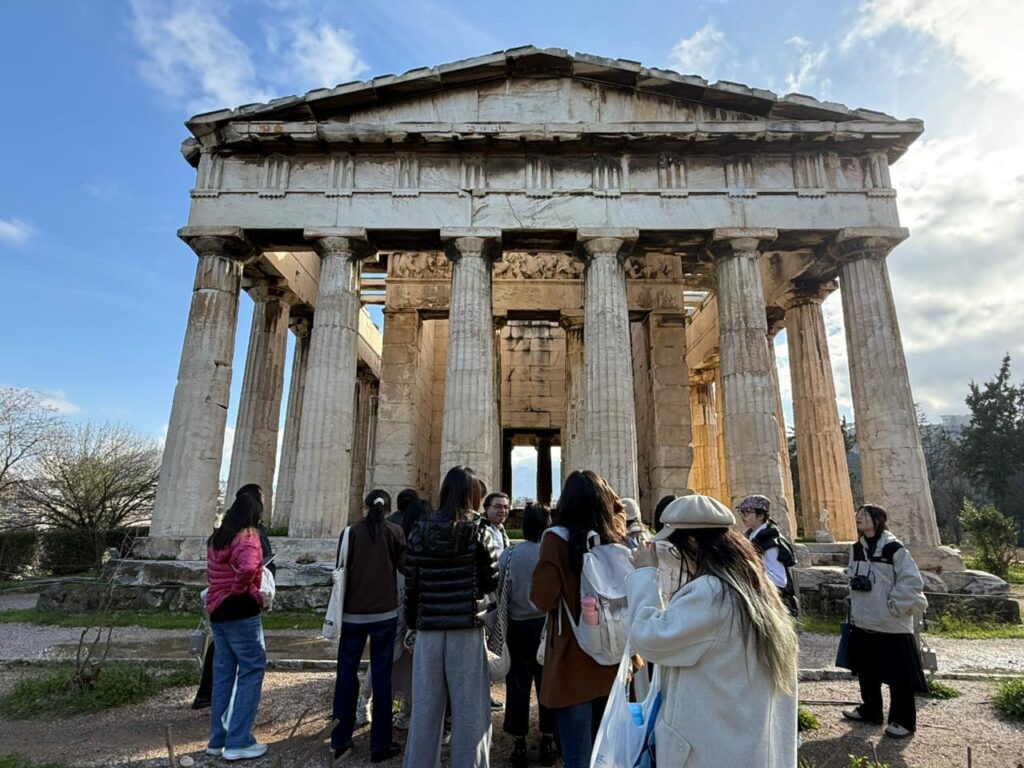
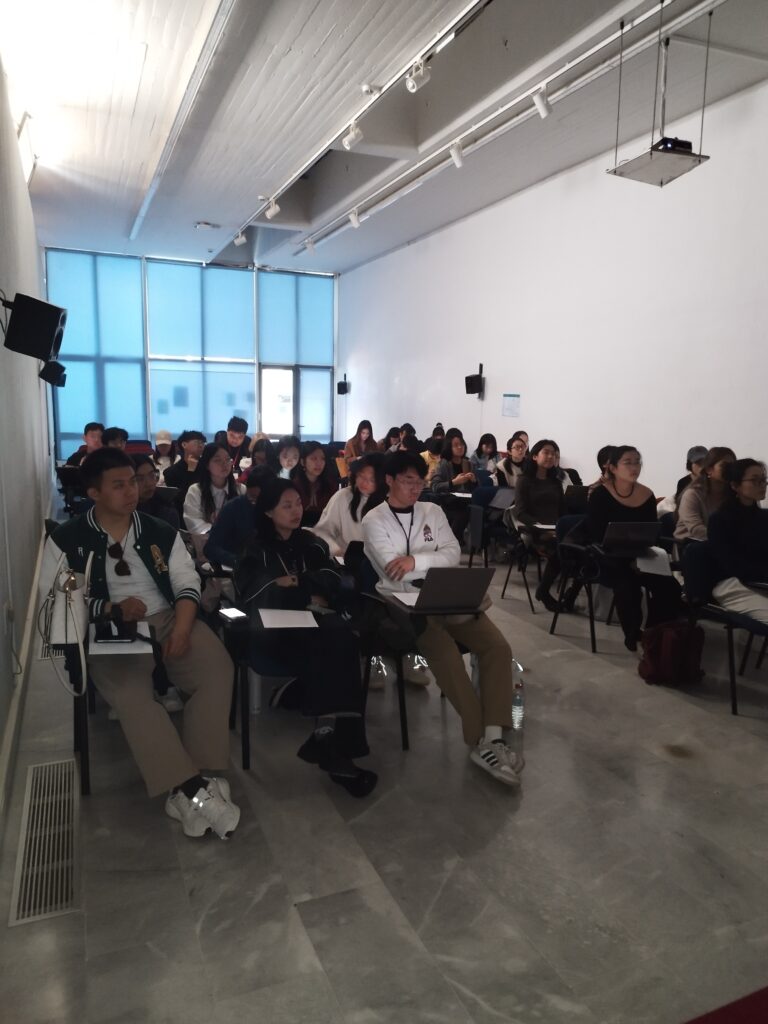
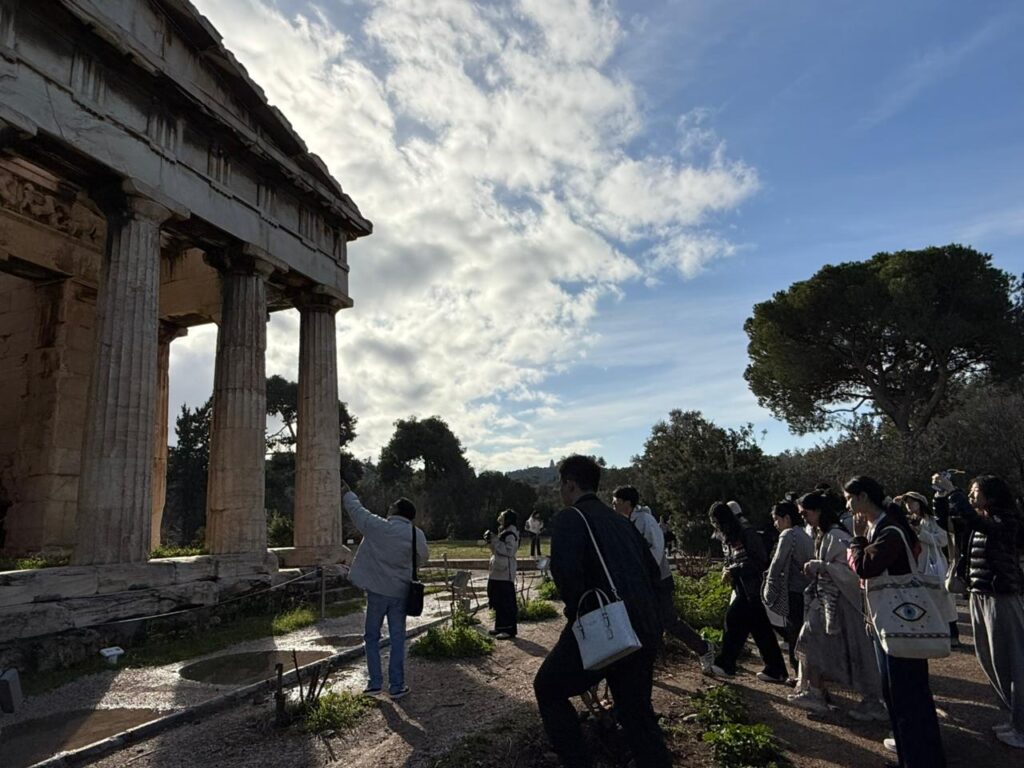
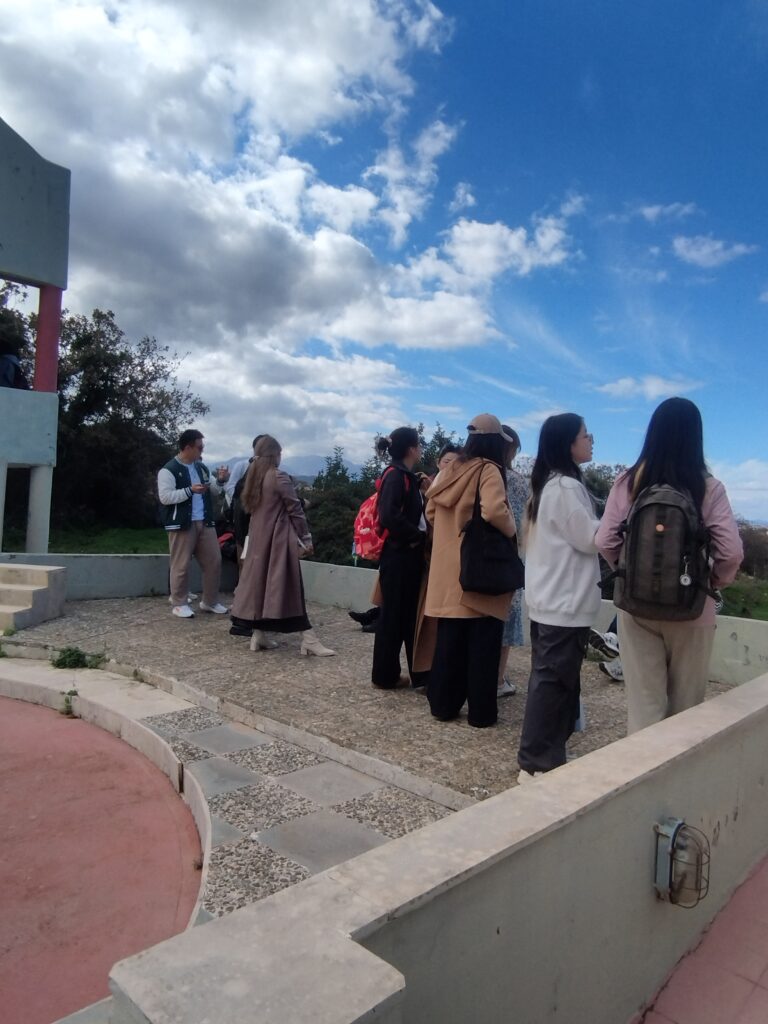
Implemented by the University of Crete for the third consecutive year, the program began in Athens with visits to the Acropolis and the Acropolis Museum, the National Archaeological Museum, and the Ancient Agora. Activities then continue in Crete, featuring guided tours and educational programs at major historical and archaeological sites.
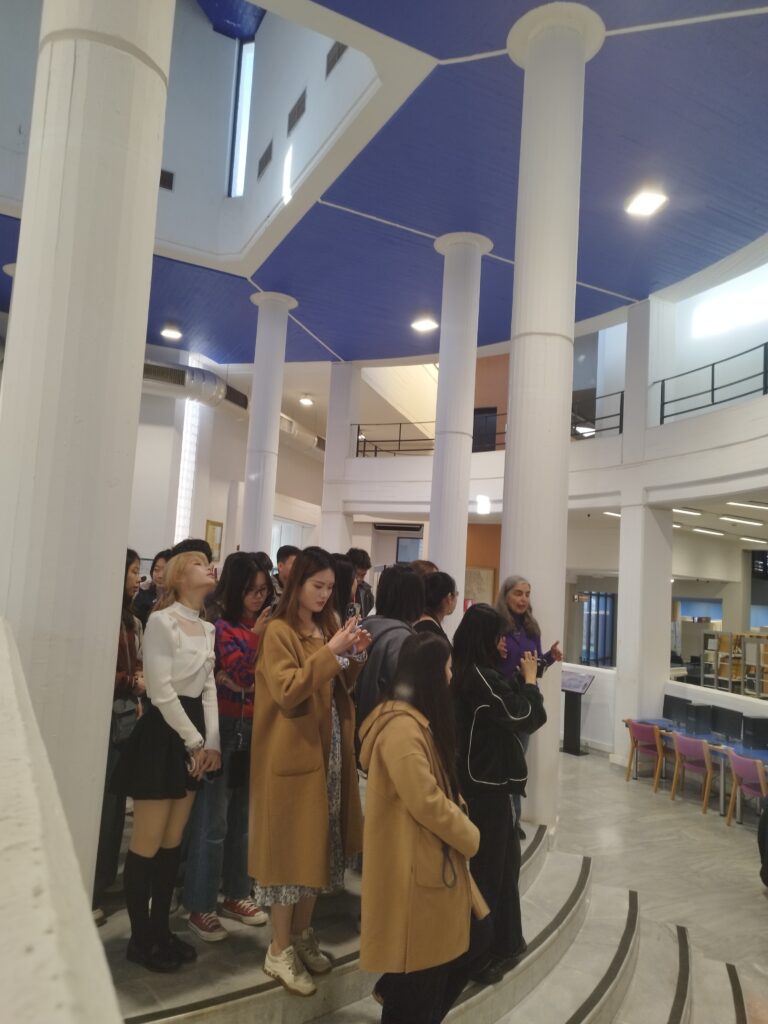
The mission of international outreach and the cultivation of dialogue between Greek and Chinese antiquity is further served by the 2025-2026 colloquium of Ancient Philosophy, which is designed by the Philosophical Research and Translation Lab (UCRC/ Department of Philosophy). This year’s program includes two lectures devoted to the Chinese philosophical tradition (https://keme.uoc.gr/index.php/el/component/content/article/seminar-on-ancient-philosophy-2025-2026-lecture-calendar?catid=16&Itemid=192). The first lecture, held online, focused on a comparison between the concept of humaneness (ren) and Aristotelian equity (delivered by Anna Baka). The second lecture, addressed to the wider public, is scheduled for Wednesday, 25 February 2026, at 19:00, at the Xenia Student and Cultural Center (46 Psarrou Street, Rethymno). The speaker will be Dimitra Amarantidou, Professor at Shandong University, and the lecture is entitled:
“Tao: On the Path of Chinese Thought.”