


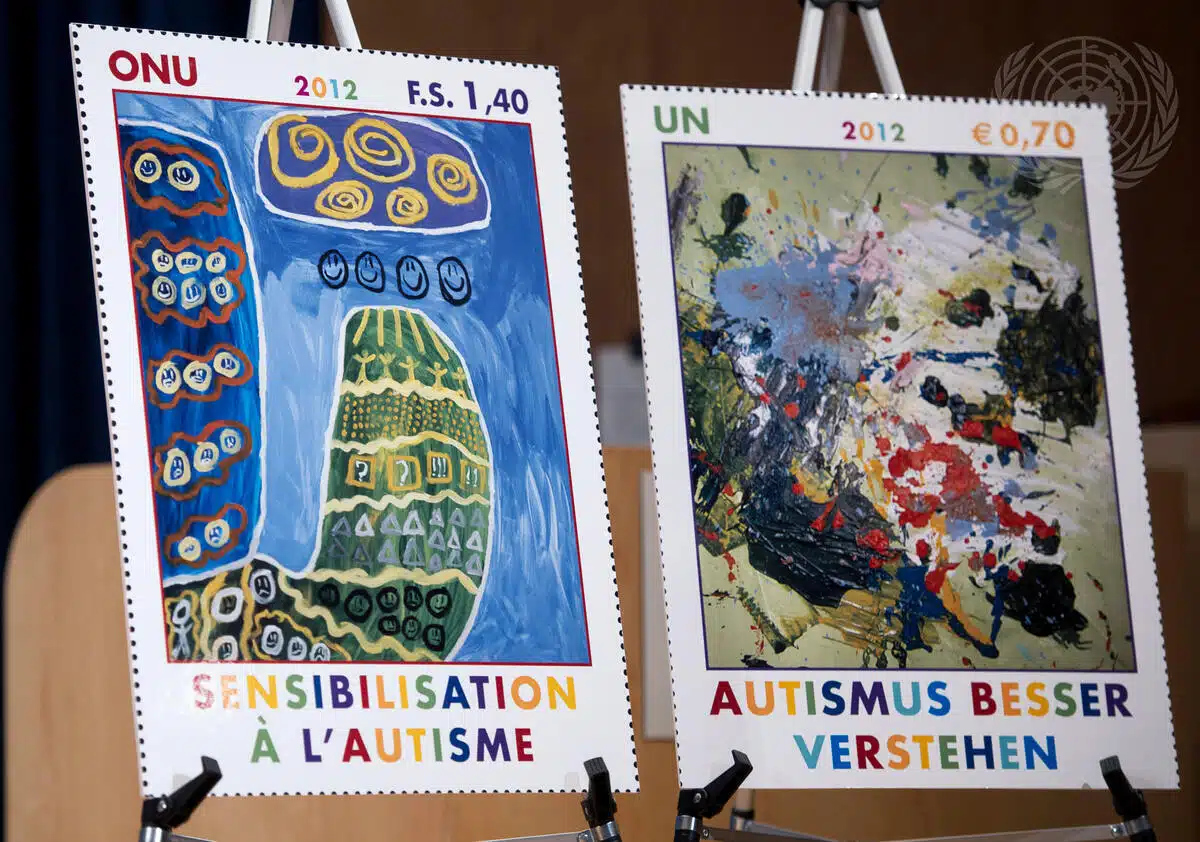
Since 2007, when the United Nations General Assembly established April 2 as World Autism Awareness Day , the day has been established as an opportunity to affirm and promote the full realization of all human rights and fundamental freedoms for autistic people , on an equal basis with all citizens. Substantial progress has been made in recent years, thanks in large part to the tireless autistic advocates who have worked passionately to bring the experience of autistic people to the forefront of public discourse.
The 2007 General Assembly resolution ( A/RES/62/139 ) emphasized the importance of raising public awareness about autism. Today, we have moved beyond mere awareness-raising to acceptance and recognition of the valuable contributions that autistic individuals make to society .
Autism is characterized by unique ways of social interaction, non-standard learning methods, intense interests in specific subjects, a preference for routine, as well as challenges in formal communication and particular ways of processing sensory information.
Despite the high rate of autism worldwide, the lack of understanding has serious consequences for both the individuals themselves and their families and communities.
Stigma and discrimination related to neurological differences remain significant barriers to access to diagnosis and treatments, an issue that needs to be addressed by both policymakers in developing countries and donor countries.